The Pulse of Winter Forums: Weather Predictions and Passionate Debates
Online forums dedicated to winter weather are vibrant communities where enthusiasts converge to share predictions, analyze data, and debate the nuances of the upcoming cold season. The "Winter 2025-26 Thread Northern Hemisphere" on platforms like City-Data.com exemplifies this dynamic, serving as a digital common ground for meteorology buffs and winter lovers alike. These discussions are far from superficial; they delve deep into historical data, long-range forecasts, and personal observations, all fueled by a collective anticipation for the season ahead.
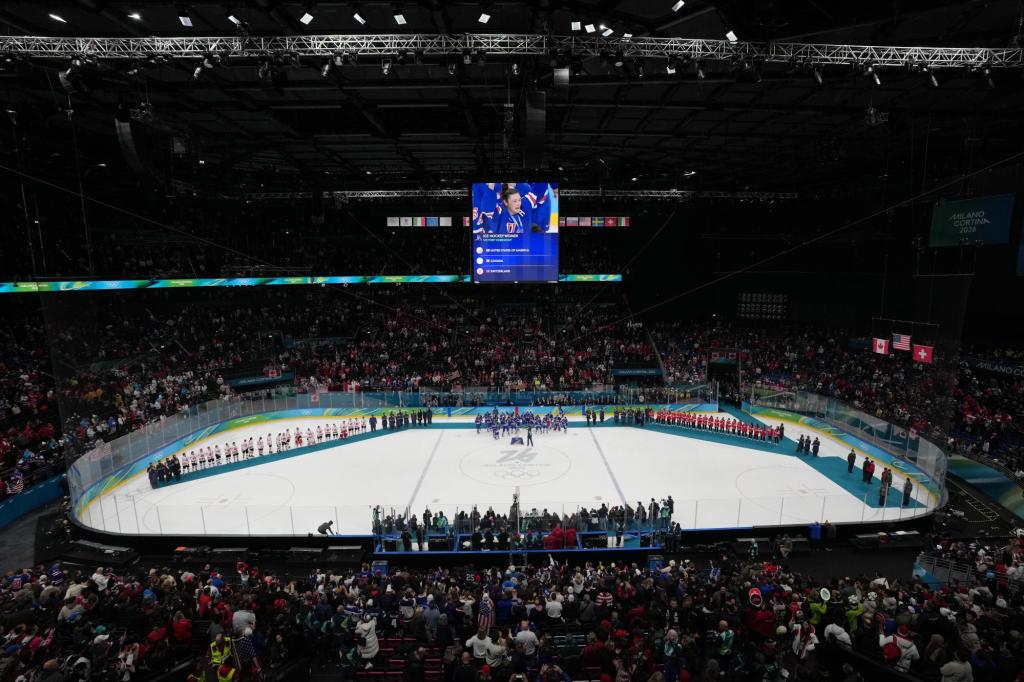
At the heart of these forums lies an undeniable winter games energy, not always in the context of competitive sports, but certainly in the passion and intellectual vigor applied to the subject of winter itself. Participants meticulously track atmospheric patterns, jet stream anomalies, and oceanic oscillations, all contributing to a rich tapestry of speculative yet informed discourse. The collective Winter Games Energy: Not Present in 2025-26 Weather Forums might sound contradictory given the specific content of the referenced forum, but it speaks to the broader human drive to engage with and master the challenges and joys of winter.
Decoding Temperature Trends: Helsinki vs. Elora
A key aspect of these online debates, as highlighted by our reference context, involves granular discussions about historical mean temperatures in specific locations, such as Helsinki and Elora. This focus on localized data is crucial for several reasons:
- Regional Specificity: Comparing temperatures in diverse geographical locations (e.g., a northern European capital like Helsinki versus a smaller North American community like Elora) offers insight into global climate variations and regional microclimates.
- Historical Context: Discussing historical December mean temperatures allows participants to benchmark current forecasts against past realities, offering a more informed perspective on whether a winter is truly "mild" or "severe" for a particular area.
- Forecast Validation: These historical comparisons serve as a critical tool for forum members to assess the accuracy of long-range predictions, leading to lively debates about the reliability of various weather models.
These detailed examinations underscore the scientific curiosity driving many forum participants. They aren't just passively observing; they're actively interpreting, comparing, and challenging meteorological data, often with an impressive level of detail and understanding.
Unpacking "Winter Games Energy": A Deeper Look
While the referenced forum threads explicitly state the Absence of Winter Games Energy in Northern Hemisphere Discussions when scanned for direct mentions, this doesn't mean the concept is irrelevant. Instead, it invites us to consider "winter games energy" through a broader lens. It's often an underlying current, an implicit driver of interest in winter conditions, rather than an explicit topic of discussion in pure weather prediction threads.
So, what exactly constitutes this multifaceted "winter games energy"?
- The Energy of Participation and Spectacle: This is perhaps the most direct interpretation. It refers to the literal physical energy expended by athletes in sports like skiing, snowboarding, ice hockey, and bobsledding. It also encompasses the electric atmosphere and collective excitement—the human energy—generated by spectators, host communities, and media during major winter sports events.
- Operational Energy Needs: Hosting winter games or even local winter activities demands significant energy resources. This includes the power for snowmaking machines, venue heating and lighting, transportation, and extensive infrastructure. Debates about temperature and snowfall directly impact these operational energy requirements.
- The "Energy" of Community and Culture: Beyond competitive sports, winter itself inspires a particular kind of community energy. Whether it's local winter festivals, ice skating in public parks, or simply enjoying snowy landscapes, the season fosters unique cultural activities. The anticipation of a "good" winter, therefore, carries this cultural and communal energy.
- Sustainability and Climate Change Energy: In a more contemporary context, "winter games energy" also refers to the global effort and political will (a form of energy) required to address climate change, which profoundly impacts the future of natural winter conditions and, by extension, winter sports. Debates around receding glaciers, inconsistent snowfall, and rising temperatures are intrinsically linked to the long-term viability of winter games.
Therefore, while a specific forum thread about "Winter 2025-26" might focus on temperature predictions, the very desire for a cold, snowy winter often stems from an inherent appreciation for winter activities, sports, and the unique energy they bring.
The Intersection: How Temperature Debates Fuel "Winter Games Energy" Concerns
The seemingly disparate discussions about historical December mean temperatures in Helsinki and Elora are, in fact, profoundly connected to the broader concept of winter games energy. Fluctuating temperatures and unpredictable snowfall patterns are the existential threats to traditional winter sports and the industries built around them.
- Impact on Natural Venues: For sports relying on natural snow and ice (like cross-country skiing, biathlon, or outdoor speed skating), consistent cold temperatures and sufficient snowfall are non-negotiable. Warmer winters lead to canceled events, compromised safety, and a fundamental shift away from natural conditions.
- Reliance on Artificial Snow: When natural conditions fail, resorts and event organizers turn to artificial snowmaking. This process is incredibly energy-intensive, requiring vast amounts of water and electricity. Thus, a discussion about "mean temperatures" directly translates into the potential Winter Games Energy: Not Present in 2025-26 Weather Forums, but is nevertheless a critical consideration for the future of winter sports. The economic and environmental cost of maintaining snow cover in marginal climates becomes a significant factor.
- Adaptation and Innovation: Climate change forces winter sports to adapt. This could mean relocating events to higher altitudes, investing in more advanced (and often more energy-intensive) snowmaking technology, or even developing new indoor variations of sports. These adaptations require significant capital and a renewed energy—both human and financial—to innovate.
- Broader Climate Discussions: The focus on specific regional temperatures in forums naturally leads to a meta-discussion about climate change. The long-term trends observed in Helsinki and Elora are micro-reflections of a global phenomenon that impacts not just future snowfall, but the very identity of winter in many Northern Hemisphere regions.
Thus, even when "winter games energy" isn't explicitly mentioned, the temperature debates are a constant barometer for the challenges and future viability of winter sports and activities. The passion driving these weather discussions mirrors the passion for winter itself, and the activities it enables.
Practical Insights for Engaging in Winter Forums and Beyond
For those passionate about winter weather, sports, or climate, engaging in forums like the "Winter 2025-26 Thread Northern Hemisphere" can be incredibly rewarding. Here are some tips to maximize your contribution and understanding:
- Be Data-Driven: When discussing temperature trends or forecasts, back your claims with credible sources. Reference historical data, NOAA reports, or reputable meteorological institutions. This adds weight to your arguments and fosters a more informed debate.
- Respect Diverse Opinions: Winter weather is complex and often subject to local nuances and personal experiences. What constitutes a "cold winter" can vary wildly between regions. Approach discussions with an open mind and respect for different perspectives.
- Broaden the Discussion: While temperatures and snowfall are critical, don't shy away from connecting these dots to broader themes. How might specific weather patterns impact local winter festivals, community well-being, or the metaphorical Absence of Winter Games Energy in Northern Hemisphere Discussions? These connections add depth and relevance.
- Understand Regional Nuances: A December mean temperature for Helsinki will have vastly different implications than for Elora. Familiarize yourself with the climate characteristics of the regions being discussed to better understand the context of the debates.
- Consider the "Energy Footprint": If the conversation moves towards winter sports or activities, ponder the "energy" aspects. What are the environmental costs of maintaining ski resorts? How can winter games become more sustainable? These questions enrich the dialogue significantly.
Conclusion
The "Winter 2025-26 Thread Northern Hemisphere" and similar online forums are fascinating microcosms of public engagement with climate and seasonality. While the explicit mention of "winter games energy" may be absent from specific temperature-focused discussions, the underlying interest in cold temperatures and snowfall is undeniably linked to the broader spectrum of winter activities, sports, and cultural experiences. From dissecting historical December mean temperatures in Helsinki and Elora to forecasting future snowfalls, these temperature debates ultimately illuminate the conditions necessary for the literal and metaphorical "winter games energy" that defines the season for so many. As we look to future winters, these forums will continue to serve as vital hubs, reflecting our collective anticipation, concerns, and enduring passion for all things cold and snowy, prompting us to consider not just what the thermometer says, but what it means for the future of our cherished winter traditions.